Our Services
Seed Production & Distribution
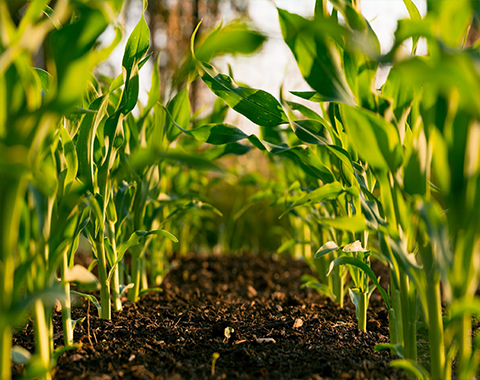
- Breeding: Developing high-yield, disease-resistant, and climate-resilient varieties.
- Multiplication: Scaling parent seed stock under controlled conditions.
- Processing: Cleaning, grading, and treating seeds to remove impurities and enhance viability.
- Quality Control: Testing for germination rate, purity, moisture content, and genetic integrity.
Farm Equipment Rental Services
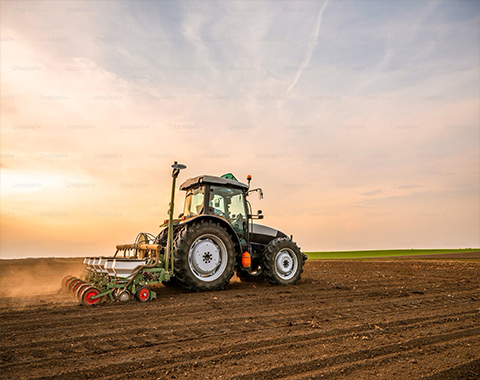
- Tractors: For plowing, tilling, and hauling.
- Harvesters: For efficient crop collection.
- Planters & Seeders: For precise seed placement.
- Irrigation Systems: Drip, sprinkler, or pivot systems.
- Sprayers: For pesticide and fertilizer application.
- Tillage Equipment: Plows, harrows, and cultivators.
Commercial Farming Operations
- Market Demand: Choose crops with high demand and profitability
- Climate Suitability: Match crops to local weather and soil conditions.
- Crop Rotation: Prevent soil depletion and pest buildup.
- Soil Testing: Analyze nutrient levels and pH for optimal fertilization.
- Seeds: Use high-yield, disease-resistant varieties.
- Skilled Workforce: Train staff in modern farming techniques.
Tosha Farming Ltd focuses on providing comprehensive agricultural
solutions to meet the evolving needs of the farming sector in Tanzania.
Tosha Farming Ltd owns and operates over 1000 acres of farmland, producing high-quality crops through mechanized farming practices.
The company provides tractor rental services, including ploughing, harrowing, planting, and land preparation, to local farmers
Tosha Farming Ltd owns and operates over 1000 acres of farmland, producing high-quality crops through mechanized farming practices.
The company provides tractor rental services, including ploughing, harrowing, planting, and land preparation, to local farmers
- 1. Own Farming Operations
- 2. Third-Party Agricultural Services
- 3. Seasonal Leasing of Part of the Farm
At Tosha Farming Ltd, sustainability is at the core of our operations.
Key initiatives include:
- Organic Farming Transition Water Conservation: Renewable Energy Carbon Footprint Reduction Organic Farming Transition: Reducing reliance on synthetic fertilizers and pesticides to promote healthier ecosystems and safer food.
- Water Conservation: Using efficient irrigation systems such as drip and sprinkler irrigation to minimize water usage while maximizing output.
- Renewable Energy: Exploring solar-powered irrigation and energy solutions for farm operations and post-harvest processing.
- Carbon Footprint Reduction: Minimizing greenhouse gas emissions by adopting low-impact farming techniques and using eco-friendly machinery.
- Acquire more farmland to increase crop production and cater to growing market demands.
- Introduce new high-value crops, such as avocados, peppers, and export-quality fruits, to access lucrative markets.
- Build modern silos and cold storage facilities to reduce post harvest losses and maintain crop quality.
- Establish small-scale processing units to add value to crops, such as sunflower oil production and vegetable packaging.
- Collaborate with organizations like WFP and FAO to promote sustainable farming practices and access export markets